
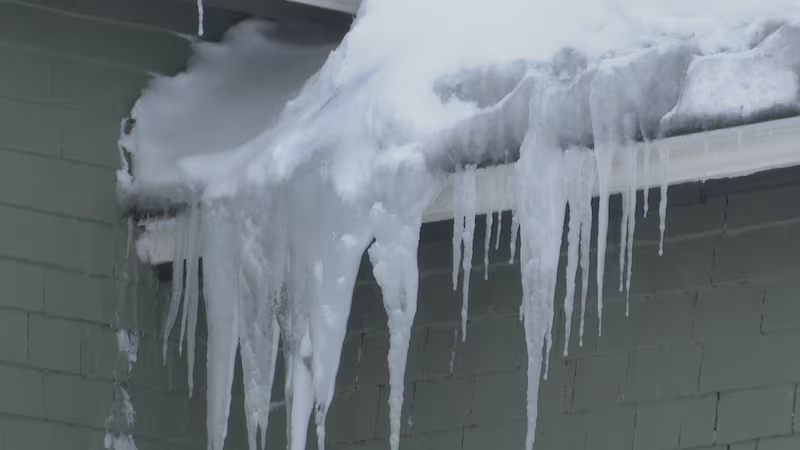
If you’ve noticed icicles hanging from your gutters or ice buildup along your roofline this winter, you might be dealing with ice dams—one of the most damaging winter problems affecting Northern Virginia and Shenandoah Valley homes. While a few icicles might look picturesque, ice dams can cause thousands of dollars in roof damage, water intrusion, and interior destruction if left unchecked.
As a home inspector who examines countless Winchester roofs each winter, I see ice dam damage regularly. Understanding what causes ice dams, how to spot them, and what to do can save you from expensive repairs and protect your home.
What Are Ice Dams?
An ice dam is a ridge of ice that forms at the edge of your roof, preventing melting snow from draining properly. As snow melts from the warmer upper portions of your roof, water runs down toward the colder eaves. When it reaches the roof edge (which is at or below freezing), the water refreezes, creating a dam. Additional meltwater backs up behind this ice barrier, and with nowhere to go, it seeps under shingles and into your home.
The result? Water damage to roof decking, insulation, ceilings, walls, and even your foundation as ice eventually melts.
What Causes Ice Dams in Winchester Homes
Ice dams require three conditions—all common during Shenandoah Valley winters:
Heat Loss from Your Attic: The primary cause is heat escaping from your living space into the attic, warming the roof deck. This heat melts snow on the upper roof while the overhangs (which have no heat source beneath them) stay frozen. Temperature differences across your roof create the perfect ice dam conditions.
Snow Accumulation: You need sufficient snow for ice dams to form. Winchester typically receives 20-30 inches annually, with periodic heavy snowfalls providing plenty of material for ice dam formation.
Temperature Fluctuations: Our region’s freeze-thaw cycles—days reaching the 40s followed by nights in the 20s—create ideal conditions. Snow melts during warmer periods and refreezes overnight at roof edges.
Common Contributing Factors in Winchester-Area Homes
Inadequate Attic Insulation: Many Winchester homes, especially older properties in Old Town and historic districts, have insufficient attic insulation. The recommended R-value for our climate zone is R-38 to R-49, but older homes often have half that amount or less.
Poor Attic Ventilation: Proper attic ventilation removes heat and moisture. Homes with inadequate soffit vents, ridge vents, or gable vents trap heat in attics, warming roof decks and melting snow unevenly.
Air Leaks into Attics: Gaps around recessed lights, plumbing stacks, chimneys, attic hatches, and ductwork allow warm household air into attics. These “bypass” leaks are often more significant than insulation problems.
Complex Roof Designs: Homes with multiple valleys, dormers, and roof level changes—common in Winchester’s varied architectural styles—are particularly susceptible. Snow accumulates in valleys and against walls, creating heavy ice dam conditions.
Clogged Gutters: While not causing ice dams directly, clogged gutters worsen the situation by preventing any drainage and creating larger ice accumulations at roof edges.
What Home Inspectors Look For
During winter inspections, I evaluate multiple ice dam indicators:
Exterior Signs:
- Large icicles hanging from gutters (especially thick, continuous ice)
- Ice buildup visible along roof edges
- Ice extending back onto the roof surface
- Sagging or damaged gutters from ice weight
- Ice and icicles on interior walls near roof edges
- Snow melting unevenly across the roof
Interior Evidence:
- Water stains on ceilings near exterior walls
- Peeling paint or wallpaper
- Damp or stained insulation in attics
- Water damage in attic spaces near eaves
- Mold or mildew growth
- Sagging or damaged ceiling materials
Attic Assessment:
- Inadequate insulation depth
- Insufficient ventilation
- Visible air leaks from living spaces
- Moisture or frost on roof sheathing
- Uneven insulation distribution
- Blocked soffit vents
The Damage Ice Dams Cause
Ice dams aren’t just cosmetic problems—they cause real, expensive damage:
Roof Damage:
- Lifted, torn, or missing shingles
- Damaged underlayment
- Rotted roof decking and fascia boards
- Compromised roof structure
Water Intrusion:
- Soaked attic insulation (which loses R-value when wet)
- Ceiling and wall water damage
- Ruined drywall requiring replacement
- Damaged paint and finishes
Mold and Mildew:
- Hidden mold growth in walls and attics
- Health hazards from mold exposure
- Expensive mold remediation
Gutter and Downspout Damage:
- Torn-off gutters from ice weight
- Bent or separated gutter sections
- Damaged downspouts and connections
Safety Hazards:
- Falling ice injuring people below
- Heavy ice loads causing roof collapse (rare but possible)
Immediate Actions When You Spot Ice Dams
Do NOT:
- Get on your roof during winter (extremely dangerous)
- Use sharp tools to chip away ice (damages shingles)
- Use heat cables after ice dams form (too late—use preventatively)
- Ignore the problem hoping it resolves itself
DO:
- Remove interior valuables: Move furniture, electronics, and belongings away from affected areas to prevent water damage
- Create emergency drainage channels: From the ground, carefully use a roof rake to remove snow 3-4 feet back from roof edges. This eliminates the source material for continued ice dam growth.
- Use calcium chloride ice melt: Fill old pantyhose or fabric tubes with calcium chloride (NOT rock salt—it damages roofing) and lay them vertically across ice dams. This melts channels for water drainage. Never throw ice melt directly on roofs.
- Call professionals: Roofing companies experienced with ice dam removal use steamers that safely melt ice without damaging shingles. This typically costs $300-$800 depending on severity.
- Document damage: Take photos for insurance claims if water enters your home.
- Address interior water: Use fans, dehumidifiers, and remove wet insulation to prevent mold growth.
Long-Term Prevention Strategies
Preventing ice dams requires addressing root causes:
Improve Attic Insulation: Add insulation to meet recommended R-38 to R-49 levels. This keeps heat in living spaces where it belongs, preventing roof deck warming. Cost: $1,500-$3,000 for average attic.
Seal Air Leaks: Before adding insulation, seal all air bypass leaks from living spaces into attics. Focus on:
- Recessed lights (use IC-rated airtight fixtures or covers)
- Plumbing and electrical penetrations
- Attic hatches and pull-down stairs
- Chimney chases
- Ductwork penetrations
Sealing bypasses is often more effective than adding insulation alone. Cost: $500-$1,500 professionally.
Enhance Ventilation: Ensure balanced intake (soffit vents) and exhaust (ridge or gable vents) ventilation. Target 1 square foot of ventilation per 150 square feet of attic space. Check that insulation doesn’t block soffit vents. Cost: $800-$2,500 depending on system.
Install Heat Cables: Self-regulating heat cables installed along roof edges and in gutters prevent ice formation. They work preventatively but won’t remove existing ice dams. Cost: $400-$1,200 installed.
Improve Roof Design: In severe cases, consider ice and water shield underlayment during re-roofing (extends 3-6 feet from eaves) or metal roofing that sheds snow more effectively. Cost: Part of re-roofing project.
Maintain Gutters: Clean gutters in fall to ensure drainage paths stay open. While this doesn’t prevent ice dams, it minimizes their impact. Cost: $100-$300 annually for cleaning.
Ice Dams and Home Insurance
Most homeowner’s policies cover interior damage caused by ice dams (water damage to ceilings, walls, furnishings) but may not cover roof repairs or the cost of removing ice dams themselves. Review your policy and document everything if filing claims.
Prevention measures like insulation upgrades usually aren’t covered, but they’re far cheaper than repeated water damage repairs.
Historic Winchester Home Considerations
Winchester’s older homes face unique ice dam challenges:
- Original insulation levels far below modern standards
- Complex roof designs with dormers and valleys
- Limited attic access making improvements difficult
- Historic preservation restrictions on exterior changes
Work with contractors experienced in historic homes who understand how to improve performance while respecting architectural integrity.
When to Call a Professional Inspector
If you’re experiencing repeated ice dams, schedule a professional evaluation. We assess:
- Insulation levels and distribution
- Ventilation adequacy
- Air leak locations
- Roof condition and prior ice dam damage
- Recommended improvements and priority order
An inspection costs $300-$500 but provides a roadmap for permanent solutions rather than temporary fixes.
Bottom Line
Ice dams are preventable, but they require understanding and addressing root causes—inadequate insulation, poor ventilation, and air leaks. While removing existing ice dams provides immediate relief, only improving your home’s thermal performance prevents future problems.
Winchester’s variable winter weather creates perfect ice dam conditions, but with proper attic insulation, ventilation, and air sealing, your home can weather even the heaviest snowfalls without damage. Don’t wait until water is dripping into your living room—take action now to protect your Shenandoah Valley home.
One Response
Excellent information. We don’t normally deal with this in the northern Virginia area, but this was super helpful.