
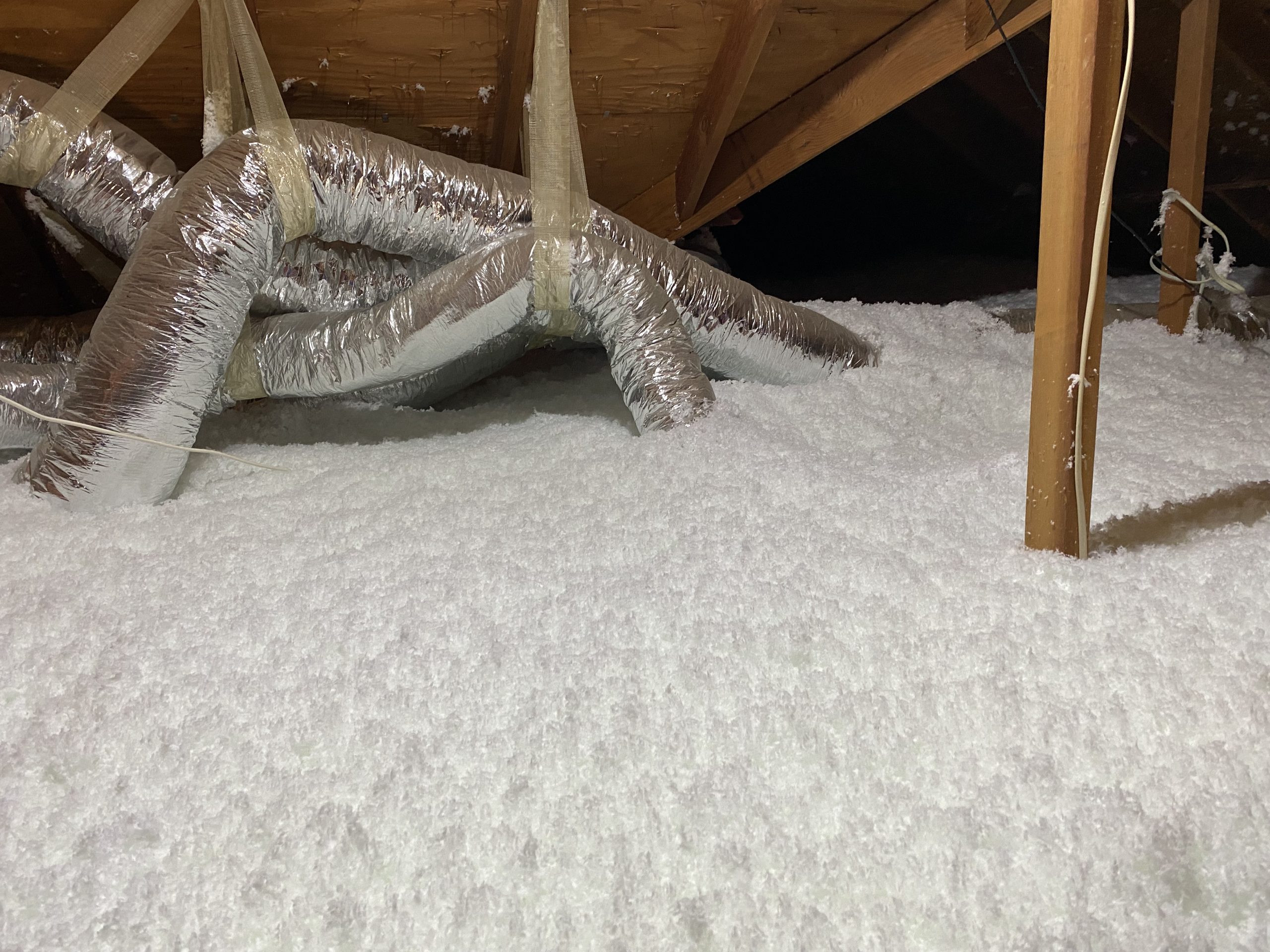
Attic Insulation: Why It Matters and When It’s Time to Add More
Many homeowners rarely think about their attic insulation until they notice rising utility bills, uncomfortable rooms, or temperature differences throughout the home. However, attic insulation plays a critical role in maintaining energy efficiency, indoor comfort, and protecting the overall condition of a home.
Whether you’re purchasing a home, maintaining your current property, or preparing to sell, understanding the purpose and effectiveness of attic insulation can help you make informed decisions about your home’s performance.
What Does Attic Insulation Do?
Attic insulation acts as a thermal barrier between your living space and the outdoor environment. During the winter, it helps keep heated air inside the home. During the summer, it slows the transfer of heat from a hot attic into the conditioned areas below.
Without adequate insulation, your heating and cooling system must work harder to maintain comfortable temperatures. This increased workload often results in higher energy costs and unnecessary wear on HVAC equipment.
Proper attic insulation also helps reduce temperature fluctuations between rooms, making the home more comfortable year-round.
Common Types of Attic Insulation
Several insulation materials are commonly found in residential attics:
Fiberglass Batt Insulation
Fiberglass batts are pre-cut sections installed between ceiling joists. They are widely used because they are relatively inexpensive and easy to install.
Blown-In Fiberglass
Blown-in fiberglass consists of loose fibers that are mechanically distributed across the attic floor. This material can provide more consistent coverage than batt insulation and is often used to increase existing insulation levels.
Cellulose Insulation
Made primarily from recycled paper products, cellulose insulation is commonly blown into attics. It fills gaps effectively and offers good thermal performance.
Spray Foam Insulation
Spray foam expands after application and creates both an insulation layer and an air barrier. While typically more expensive, it can significantly improve energy efficiency when properly installed.
How Much Insulation Is Enough?
Many older homes throughout Virginia, Maryland, and West Virginia were built with insulation levels that fall below current energy efficiency recommendations.
The U.S. Department of Energy generally recommends attic insulation values ranging from R-38 to R-60 in our region, depending on the home’s construction and location. Homes built decades ago may contain significantly less insulation than current standards suggest.
During a home inspection, insulation levels can often be visually evaluated to determine whether they appear adequate or if additional insulation may be beneficial.
Signs Your Home May Need More Attic Insulation
Several indicators may suggest that insulation levels are insufficient:
High Energy Bills
If heating and cooling costs seem unusually high, inadequate attic insulation may be contributing to excessive energy loss.
Uneven Indoor Temperatures
Rooms that are significantly warmer or cooler than others can indicate insulation deficiencies.
Ice Dams in Winter
In colder months, heat escaping through the attic can contribute to ice dam formation along roof edges.
Visible Ceiling Joists
When attic insulation sits below the tops of ceiling joists, additional insulation may be worth considering.
Older Insulation Materials
Insulation can settle over time, reducing its effectiveness. Older homes may benefit from updated insulation systems that provide improved thermal performance.
Insulation and Attic Ventilation Work Together
Adding insulation is only part of the equation. Proper attic ventilation is equally important.
Ventilation allows excess heat and moisture to escape the attic. Without adequate airflow, moisture can accumulate and contribute to wood deterioration, mold growth, and reduced insulation effectiveness.
A balanced attic system includes both adequate insulation and proper ventilation to support long-term home performance.
What Home Inspectors Look For
During a home inspection, attic spaces are evaluated for several factors, including:
- Insulation type and approximate depth
- Areas of missing or disturbed insulation
- Signs of moisture intrusion
- Ventilation conditions
- Evidence of previous repairs or modifications
While a home inspection is not an energy audit, identifying insulation concerns can help homeowners understand potential opportunities for improved comfort and efficiency.
When Should You Consider Adding More Insulation?
Adding attic insulation is often worth considering when:
- Utility costs continue to rise without explanation
- Insulation levels appear below modern recommendations
- Major renovations are planned
- HVAC equipment struggles to maintain consistent temperatures
- A home inspection identifies insulation deficiencies
In many cases, upgrading attic insulation can be one of the most cost-effective improvements a homeowner can make to improve energy efficiency and indoor comfort.
Schedule a Professional Home Inspection
Attic conditions are often overlooked because they are out of sight and difficult to access. A professional home inspection can help identify insulation concerns, ventilation issues, moisture conditions, and other factors that may impact your home’s performance.
Trefoil Home Inspections provides thorough home inspections throughout Virginia, Maryland, and West Virginia, helping buyers, sellers, and homeowners better understand the condition of their property.
If you’re buying a home or evaluating the condition of your current one, schedule your inspection today and gain the knowledge needed to make confident decisions.