
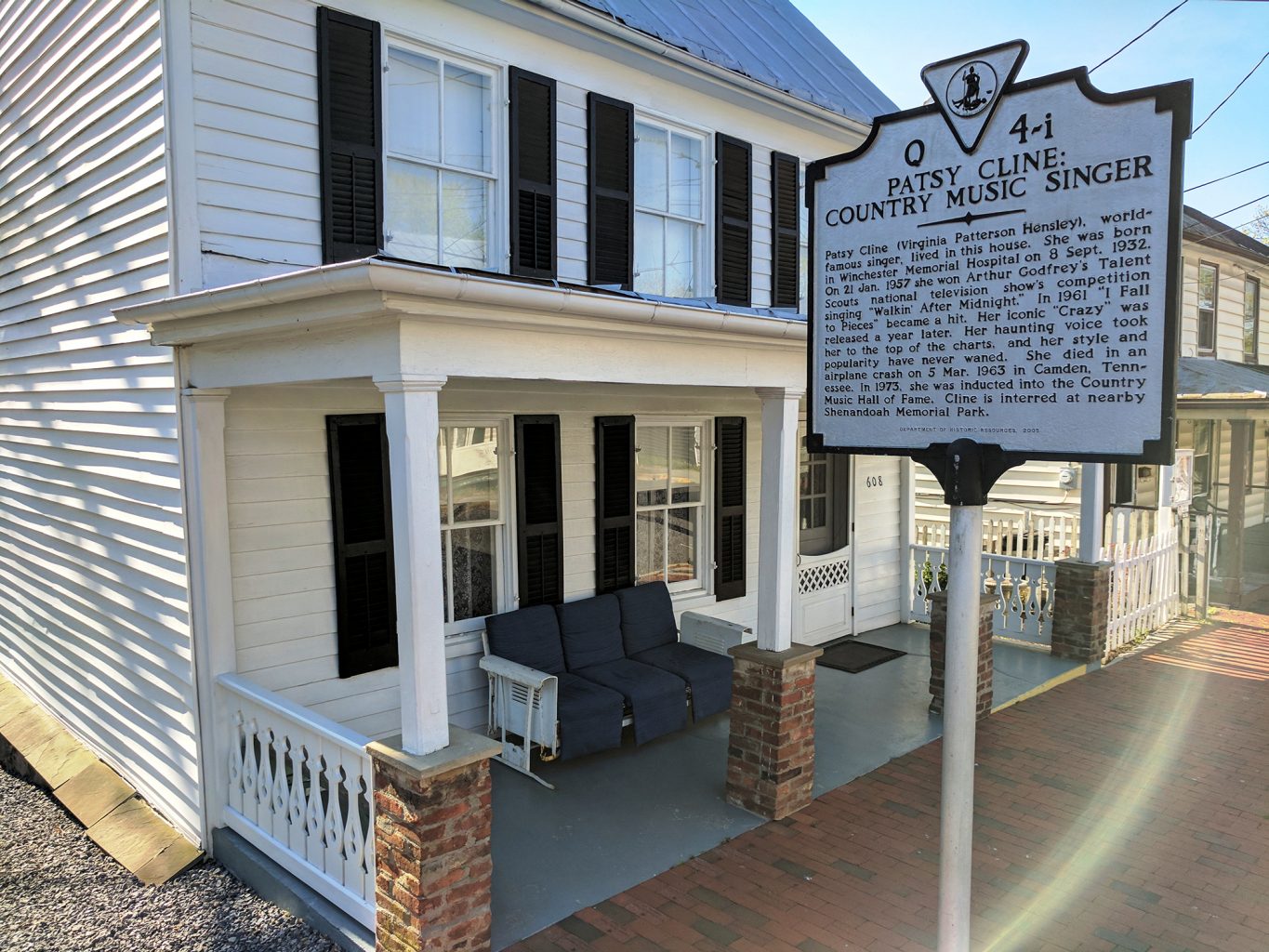
Winchester, Virginia’s rich history is written in its architecture. From Federal-style townhouses to Victorian mansions, Old Town Winchester and surrounding historic districts offer homes with unmatched character and charm. But buying a historic home requires understanding the unique challenges these beautiful properties present.
As a home inspector serving Winchester and the Shenandoah Valley, I’ve inspected countless historic homes dating back to the 18th and 19th centuries. Here are the most common issues buyers should anticipate.
Foundation Settlement and Structural Shifts
Historic Winchester homes were built on stone foundations, often without the benefit of modern engineering. Over 100+ years, settling is inevitable. You’ll commonly find:
- Sloping floors from gradual foundation movement
- Cracked plaster walls at doorways and corners
- Doors and windows that stick due to frame shifting
- Gaps between floors and baseboards
Most settlement is old and stable, but active movement requires monitoring. A structural engineer can determine if repairs are needed or if it’s simply character that comes with age.
Outdated Electrical Systems
Many historic Winchester homes still have outdated wiring that poses safety risks:
- Knob-and-tube wiring (common pre-1940s) lacks grounding and can’t handle modern electrical loads
- Aluminum wiring (1960s-70s) can overheat at connections
- Insufficient amperage for today’s appliances and devices
- Ungrounded outlets throughout the home
- Amateur additions by previous owners creating hazards
Rewiring a historic home costs $8,000-$15,000+ but is often necessary for safety and insurance purposes. Many insurers won’t cover homes with knob-and-tube wiring.
Plumbing Challenges
Old homes come with old pipes:
- Galvanized steel pipes that corrode from the inside, reducing water pressure
- Cast iron drain pipes prone to rust and clogs
- Lead pipes in homes built before 1930
- Outdated fixtures that leak or fail
- Poor drainage from settling foundations
Budget for eventual repiping. Galvanized pipes typically last 40-70 years, and cast iron drains last 50-100 years. If your historic home still has original plumbing, replacement is likely overdue.
Roof and Water Intrusion Issues
Historic roofs often show their age:
- Multiple layers of old roofing materials
- Deteriorating flashing around chimneys and valleys
- Inadequate attic ventilation leading to moisture problems
- Ice damming in winter months
- Previous water damage in attics or upper floors
Winchester’s climate—with hot summers and cold, snowy winters—is hard on old roofs. Inspect attics carefully for signs of past or present leaks.
Insulation and Energy Efficiency
Most historic homes were built before modern insulation standards:
- Little to no wall insulation
- Single-pane windows with air leaks
- Drafty doors and gaps
- Uninsulated attics and crawl spaces
- High heating and cooling costs
Adding insulation to historic homes is tricky. You must maintain breathability to prevent moisture problems while improving efficiency. Some improvements may require approval if the home is in a historic district.
HVAC Inadequacies
Central heating and air conditioning didn’t exist when these homes were built. Modern HVAC systems retrofitted into historic homes often struggle:
- Undersized ductwork creates uneven temperatures
- No ductwork at all in some areas
- Window units as the only cooling option
- Aging boilers or radiators for heat
Lead Paint and Asbestos
Homes built before 1978 likely contain lead paint. Homes from the mid-1900s may have asbestos in:
- Floor tiles
- Pipe insulation
- Siding materials
- Popcorn ceilings
Both require professional testing and proper remediation if disturbed.
The Historic Home Advantage
Despite these challenges, historic Winchester homes offer incredible value. Many issues are manageable with proper inspection, realistic budgeting, and the right contractor team. These homes feature quality craftsmanship, solid materials, and timeless appeal that modern construction can’t replicate.