
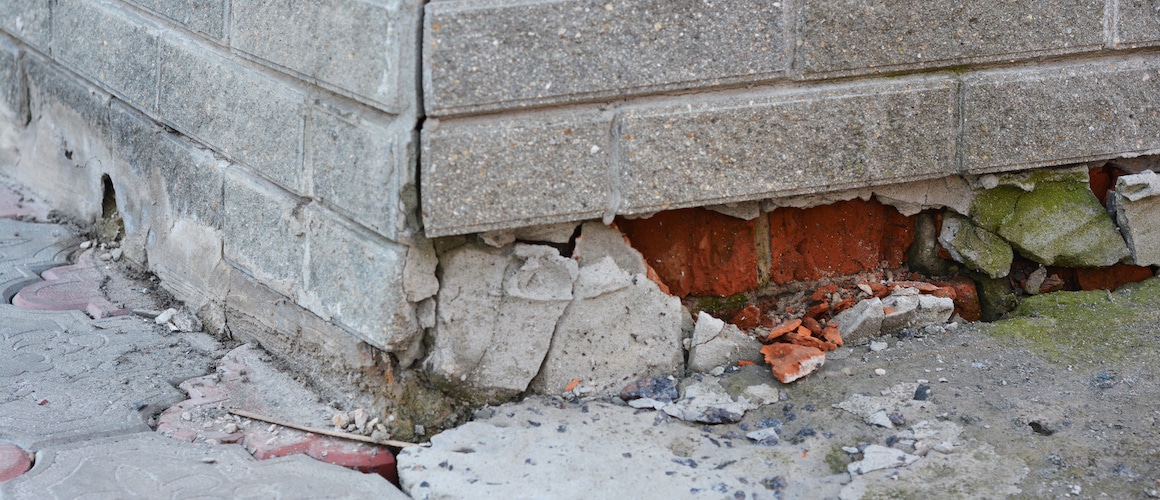
Your home’s foundation literally supports everything above it, yet it’s one of the most overlooked components during routine homeownership. Foundation problems don’t announce themselves with dramatic failures—they develop gradually through subtle signs that many Winchester homeowners miss until issues become serious and expensive.
Understanding what to look for, when to worry, and how foundation inspections work can save you tens of thousands of dollars and protect your largest investment.
What We Inspect in Your Foundation
During a professional home inspection in or around Winchester and in the Shenandoah Valley, foundation evaluation is one of our most critical tasks. Here’s what we examine:
Foundation Type Identification:
- Poured concrete
- Concrete block (CMU)
- Stone (common in historic homes)
- Brick
- Crawl space, basement, or slab construction
Structural Integrity:
- Cracks in foundation walls (size, location, pattern)
- Displacement or bowing of walls
- Settlement or heaving
- Mortar deterioration (block and stone foundations)
- Spalling or flaking concrete
- Horizontal or stair-step cracking
Water Intrusion Evidence:
- Active leaks or moisture penetration
- Efflorescence (white mineral deposits)
- Staining patterns on walls
- Mold or mildew growth
- Standing water in crawl spaces or basements
- Inadequate drainage around foundation perimeter
Supporting Systems:
- Floor joists and beam condition
- Support posts and footings
- Sill plates and rim joists
- Pest damage or wood rot
Grading and Drainage:
- Soil slope away from foundation
- Gutter and downspout function
- Window wells and drainage
- Sump pump operation (if present)
Common Foundation Issues in Winchester-Area Homes
Settlement Cracks: Winchester sits in the Shenandoah Valley with varying soil conditions—from clay to limestone. As homes age, some foundation settlement is normal. Small vertical cracks (hairline to 1/8 inch) are typically cosmetic. However, cracks wider than 1/4 inch, horizontal cracks, or stair-step patterns in block foundations warrant professional evaluation.
Historic Home Stone Foundations: Old Town Winchester’s beautiful historic homes often feature stone foundations laid 100-200 years ago. These foundations settle, shift, and deteriorate differently than modern concrete. Common issues include:
- Mortar deterioration requiring repointing
- Individual stones shifting or falling out
- Moisture penetration through porous stone
- Inadequate support for modern loads
Hydrostatic Pressure: Our region’s clay soils expand when wet, pushing against foundation walls. Combined with inadequate drainage, this causes:
- Horizontal cracks in poured concrete
- Bowing basement walls
- Water seepage at floor/wall joints
- Sump pump failures during heavy rain
Crawl Space Moisture: Many Winchester homes have crawl spaces that collect moisture from:
- Poor grading directing water toward the foundation
- Missing or inadequate vapor barriers
- Insufficient ventilation
- Plumbing leaks
- High water tables in low-lying areas
This moisture causes wood rot, mold growth, and pest infestations affecting floor joists and support beams.
When Cracks Are Serious vs. Cosmetic
Generally Cosmetic (Monitor but Don’t Panic):
- Vertical cracks less than 1/4 inch wide
- Hairline cracks with no displacement
- Isolated cracks with no pattern
- Old, stable cracks with no recent growth
- Shallow surface cracks in poured concrete
Potentially Serious (Get Professional Evaluation):
- Horizontal cracks at any width
- Stair-step patterns in block foundations
- Cracks wider than 1/4 inch
- Cracks with visible displacement (one side higher)
- Multiple cracks in similar locations
- Cracks that are growing or changing
- Cracks accompanied by sticking doors/windows
- Bowing or leaning foundation walls
The Sloping Floor Question
“My floors slope—is my foundation failing?”
Floor slope is incredibly common in Winchester homes, especially historic properties. Most sloping is caused by:
- Normal settling over decades or centuries
- Original construction that wasn’t perfectly level
- Floor joist shrinkage or deflection
- Support beam settling
Gradual, stable slopes are usually not structural emergencies. However, new or increasing slopes, especially with accompanying cracks, door/window problems, or wall gaps, indicate active movement requiring investigation.
Foundation Repairs: What They Cost
Foundation work ranges from minor to major:
Minor Repairs ($500-$2,000):
- Crack injection with epoxy or polyurethane
- Surface sealing and waterproofing
- Repointing mortar in stone/block foundations
- Minor drainage improvements
Moderate Repairs ($2,000-$10,000):
- Interior/exterior waterproofing systems
- Sump pump installation
- Crawl space encapsulation
- Multiple crack repairs
- Grading and drainage correction
Major Repairs ($10,000-$30,000+):
- Wall stabilization with carbon fiber or steel reinforcement
- Helical pier or push pier installation for settlement
- Basement wall replacement
- Extensive underpinning or foundation replacement
The key to minimizing costs is early detection. A $1,000 crack repair today prevents a $20,000 wall replacement tomorrow.
Preventive Maintenance for Your Foundation
Manage Water: This is the single most important thing you can do. Water is the enemy of foundations.
- Keep gutters clean and functional
- Extend downspouts 6-10 feet from foundation
- Maintain positive grading (soil slopes away from house)
- Fix plumbing leaks immediately
- Install and maintain sump pumps
- Consider French drains in problem areas
Monitor Changes:
- Walk around your home quarterly
- Photograph any cracks and monitor for growth
- Note new sticking doors or windows
- Check for new cracks in interior drywall
- Inspect crawl spaces annually for moisture
Control Moisture:
- Use dehumidifiers in basements
- Install vapor barriers in crawl spaces
- Ensure adequate ventilation
- Address condensation sources
Maintain Soil Moisture: Extreme soil moisture changes (very wet to very dry) cause foundation movement. During droughts, water foundation areas to prevent excessive soil shrinkage.
When to Call a Structural Engineer
Home inspectors identify foundation concerns, but we’re not structural engineers. Call a licensed structural engineer when you have:
- Large cracks (greater than 1/4 inch)
- Horizontal cracks or significant bowing
- Multiple concerning cracks
- Active, growing cracks
- Severe floor slope or sagging
- Visible foundation displacement
- Questions about repair options and necessity
Engineers provide detailed analysis, calculations, and repair specifications. Their reports guide contractors and give you confidence in repair approaches.
Foundation Issues and Real Estate
If You’re Buying: Foundation problems are common negotiating points. Understand that:
- Not all foundation issues are deal-breakers
- Get repair estimates from qualified contractors
- Request seller repairs or closing credits
- Consider walking away only from severe, expensive problems
- Old, stable issues in historic homes may be acceptable
If You’re Selling: Be proactive about foundation concerns:
- Disclose known issues honestly
- Provide documentation of previous repairs
- Consider pre-listing foundation evaluation
- Get repair estimates to facilitate negotiations
- Explain the history and stability of old cracks
The Historic Home Reality
Winchester’s historic homes have foundations that have stood for decades or centuries. They’ve settled, shifted, and stabilized over time. What looks alarming to modern eyes is often normal character for a 150-year-old home.
The question isn’t “Are there cracks?” but rather “Are problems active and worsening, or stable and managed?” Many historic homes have foundation quirks that don’t require expensive intervention—just monitoring and moisture management.
Bottom Line
Your foundation deserves regular attention, but most issues develop slowly and show warning signs long before they become emergencies. Understanding what to look for, performing basic preventive maintenance, and knowing when to call professionals protects your Winchester home and your investment.
Foundation concerns shouldn’t be ignored, but they also shouldn’t cause panic. With proper evaluation and appropriate action, most foundation issues are manageable and won’t prevent you from enjoying your Shenandoah Valley home for decades to come.
Concerned about your foundation? Trefoil Home Inspections provides thorough foundation evaluations throughout Winchester, Frederick County, and the tri-state area. We’ll help you understand what’s normal, what needs attention, and what requires immediate action.