
If you’re buying or selling a home in Winchester, Virginia, or anywhere in the Shenandoah Valley, you’ve likely heard about radon testing. But what exactly is radon, why does it matter in our area, and what should you do if levels are elevated?
As a home inspector serving Winchester and the tri-state area, I test for radon regularly and want to help you understand why this invisible threat deserves your attention.
What Is Radon?
Radon is a naturally occurring radioactive gas that forms when uranium in soil and rock breaks down. It’s completely invisible, odorless, and tasteless—you can’t detect it without specialized testing equipment. Radon seeps into homes through cracks in foundations, gaps around pipes, crawl spaces, and even well water.
The danger? Radon is the second leading cause of lung cancer in the United States, responsible for approximately 21,000 deaths annually. For non-smokers, it’s the number one cause of lung cancer.
Why Winchester and the Shenandoah Valley Are at Risk
The geology of the Shenandoah Valley makes our region particularly susceptible to elevated radon levels. Winchester, Frederick County, and surrounding areas in Virginia, West Virginia, and Maryland sit in EPA Zone 1—the highest risk category for radon exposure.
The limestone and shale formations common throughout our area produce higher-than-average radon concentrations. This doesn’t mean every home has dangerous levels, but it does mean testing is essential.
When Should You Test for Radon?
During home purchase: Most lenders and home inspectors recommend radon testing during the inspection period. This protects buyers from inheriting a radon problem and gives you leverage to negotiate mitigation if needed.
Every 2-5 years: The EPA recommends retesting every two years, or after any major renovations or foundation work. Radon levels can change over time.
Before finishing a basement: If you’re converting a basement into living space, test first. Basements typically have the highest radon concentrations.
If you’ve never tested: Many Winchester homeowners have lived in their homes for years without testing. If that’s you, test now.
How Radon Testing Works
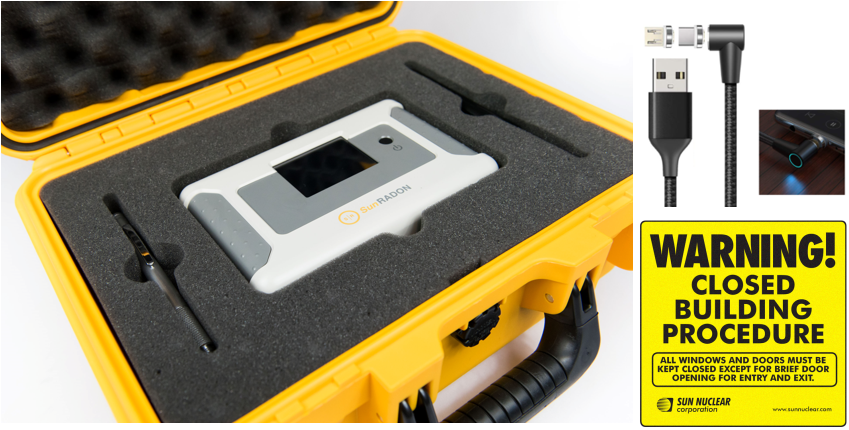
Professional radon testing uses continuous monitoring devices placed in the lowest livable level of your home for 48-72 hours. During testing:
- Keep windows and doors closed (except for normal entry/exit)
- Avoid using fans that bring in outside air
- Don’t move or tamper with the testing device
- Maintain normal living conditions otherwise
Results measure radon in picocuries per liter (pCi/L). The EPA action level is 4.0 pCi/L, though the World Health Organization recommends mitigation at 2.7 pCi/L.
What Happens If Radon Levels Are High?
Don’t panic. Elevated radon is fixable. Radon mitigation systems are highly effective, reducing levels by up to 99%. A typical mitigation system includes:
- A PVC pipe that vents radon from beneath the foundation to above the roofline
- A specialized fan that creates negative pressure
- A monitoring device to ensure the system works properly
Cost: Most Winchester-area homes can be mitigated for $1,000-$2,500, depending on home size and foundation type.
Effectiveness: When properly installed, mitigation systems consistently reduce radon to safe levels.
Radon Testing During Real Estate Transactions
If you’re buying a home and radon testing reveals elevated levels, you have options:
Ask the seller to install mitigation: Many sellers agree to this, especially in our high-radon area where it’s expected.
Request a credit: Get money at closing to install mitigation yourself after purchase.
Walk away: If the seller refuses and levels are very high, your inspection contingency protects you.
Most real estate transactions in Winchester proceed smoothly when radon is found. It’s a known issue in our region, and solutions are straightforward.
DIY vs. Professional Testing
Hardware stores sell DIY radon test kits for $15-30. While these can provide a general idea, they have limitations:
- Less accurate than professional continuous monitors
- User error affects results
- Many lenders won’t accept DIY results
- No professional interpretation of findings
For real estate transactions or definitive answers, always use a certified radon testing professional.
Bottom Line
Radon testing is simple, affordable, and potentially life-saving. In Winchester and the Shenandoah Valley, where geological conditions create higher risk, testing isn’t optional—it’s essential home maintenance.
Whether you’re buying, selling, or have lived in your home for decades, knowing your radon levels gives you power to protect your family’s health. And if levels are elevated, modern mitigation systems provide an effective, permanent solution.
Need radon testing in Winchester, VA? Trefoil Home Inspections provides certified radon testing throughout Winchester, Frederick County, and the surrounding tri-state area. Protect your family with professional testing you can trust.