
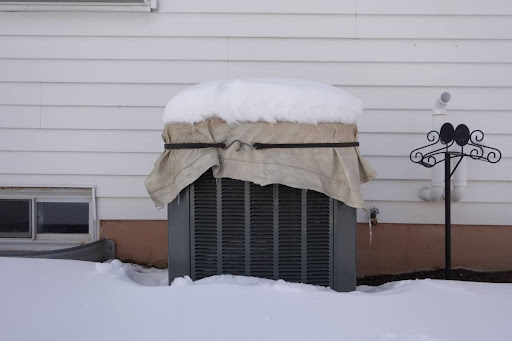
If you’re buying a home in Winchester this winter, you’ve probably heard your inspector say something like, “I can’t test the air conditioning when it’s this cold outside.” For many buyers, this raises immediate concerns: Does that mean something’s wrong with the AC? Should I worry? Am I buying a house with a broken cooling system?
Let me explain why seasonal limitations exist for HVAC testing, what we can and can’t evaluate, and how to protect yourself when buying during winter months.
The 65-Degree Rule: Why Temperature Matters
Air conditioning systems are designed to operate when outdoor temperatures are above 65°F. Running an AC unit in colder weather can cause serious damage to the compressor—the heart of the system and its most expensive component.
Here’s what happens when you run AC in cold weather:
Refrigerant Issues: AC systems use refrigerant that needs specific temperature and pressure conditions to work properly. Cold outdoor temperatures throw off this balance, potentially causing liquid refrigerant to flood back into the compressor.
Compressor Damage: The compressor’s lubricating oil thickens in cold temperatures. Running the system forces the compressor to work without proper lubrication, causing permanent damage to a component that costs $1,500-$2,500 to replace.
Frozen Coils: The outdoor condensing unit can ice up, blocking airflow and preventing proper system evaluation.
Inaccurate Results: Even if the system turns on, you can’t assess its actual cooling capacity or efficiency in winter conditions.
Professional home inspectors follow industry standards that prohibit testing AC systems when temperatures are below 65°F. We’re not being lazy or cutting corners—we’re protecting your investment and following best practices.
The Same Problem in Reverse: Heating Systems in Summer
The reverse is true for heating systems. When outdoor temperatures are above 65°F, testing your furnace or heat pump in heating mode poses similar risks:
Overheating: Furnaces running in warm weather can overheat because there’s minimal temperature difference to regulate cycling.
Heat Exchanger Stress: The heat exchanger expands and contracts with temperature changes. Testing in summer doesn’t replicate winter stress conditions.
Inaccurate Assessment: You can’t evaluate heating capacity, efficiency, or comfort when it’s 85°F outside.
If you’re buying a Winchester home in July or August, your inspector won’t be able to fully test the heating system—just as winter buyers can’t get complete AC evaluations.
What We CAN Check Year-Round
Even when we can’t run your HVAC system through a full heating or cooling cycle, professional inspectors still evaluate many critical components:
Visual Inspection:
- Age of equipment (brand, model, installation date)
- Overall condition and signs of maintenance
- Proper installation and clearances
- Evidence of leaks, rust, or damage
- Ductwork condition and insulation
Safety Items:
- Electrical connections and disconnects
- Gas line connections (for furnaces)
- Carbon monoxide levels
- Proper venting and exhaust
- Filter condition and accessibility
Operational Components:
- Thermostat function
- Blower motor operation
- Control board and sensors
- Condensate drain operation
- Refrigerant line condition (external)
Documentation:
- Maintenance records if available
- Manufacturer information
- Age and expected lifespan
- Previous repair history
What we can’t do is confirm the system actually heats or cools effectively, measure temperature differentials, or evaluate performance under load.
Protecting Yourself as a Buyer
If you’re purchasing a Winchester home during winter and can’t test the AC (or buying in summer and can’t test the heat), here are smart strategies:
Request Maintenance Records: Ask the seller for documentation showing the system has been regularly serviced. A well-maintained system is more likely to function properly.
Check the Age: HVAC systems last 15-20 years on average. A 5-year-old system is lower risk than a 17-year-old system approaching end-of-life.
Ask for a Home Warranty: Many sellers provide a home warranty covering major systems for the first year. This protects you if the AC fails next summer.
Schedule a Follow-Up Inspection: Some buyers negotiate to have the untested system inspected when weather permits, with the seller responsible for repairs if problems are found.
Request a Seasonal Re-Test Clause: Your contract can include language allowing you to test the system when weather permits and request repairs if it’s defective.
Get a Specialist Opinion: If the system is old or shows concerning signs, hire an HVAC contractor for a detailed evaluation. They can assess components even without running the full system.
The Winchester Climate Challenge
Winchester’s four-season climate means this issue affects buyers year-round. We experience cold winters where AC can’t be tested (typically November through March) and hot summers where heating systems can’t be fully evaluated (usually June through August).
Only during spring and fall shoulder seasons—roughly April, May, September, and October—can inspectors fully test both heating and cooling functions. This is one reason spring is such a popular time to buy homes in our area.
What Sellers Should Know
If you’re selling your Winchester home during off-seasons, proactive steps build buyer confidence:
Service Your HVAC Before Listing: Have a licensed HVAC contractor service and certify both systems. Provide documentation to buyers.
Be Transparent: If you know of any HVAC issues, disclose them upfront. Honesty prevents deals from falling apart later.
Offer Testing Options: Allow buyers to test untested systems when weather permits, with you covering repairs if needed.
Consider Pre-Listing Inspections: A pre-listing inspection during the right season tests everything, giving you and buyers complete information.
The Bottom Line
Seasonal HVAC testing limitations aren’t defects in the inspection process—they’re necessary protections that prevent damage to expensive equipment. Professional inspectors work within these constraints while still providing valuable information about your home’s heating and cooling systems.
Understanding these limitations helps you make informed decisions, ask the right questions, and protect yourself whether you’re buying during a snowy January or a sweltering July in Winchester.
Have questions about HVAC inspections? Trefoil Home Inspections provides thorough evaluations of heating and cooling systems throughout Winchester and the Shenandoah Valley, with honest guidance about seasonal limitations.