
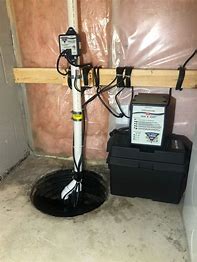
Sump Pumps:
When it comes to protecting your home from water damage, few components are as important—and often overlooked—as the sump pump. Whether you’re buying a home or maintaining your current one, understanding how a sump pump works and ensuring it’s functioning properly can save you from costly repairs down the road.
What Is a Sump Pump?
A sump pump is designed to remove excess water from the lowest part of a home, typically the basement or crawlspace. It sits in a pit (called a sump basin) and activates when water levels rise, pumping water safely away from the foundation. This is especially important in areas prone to heavy rain, high groundwater, or poor drainage.
What Is Checked During an Inspection?
During a home inspection, the sump pump is evaluated to determine if it is present, accessible, and operational at the time of inspection. This typically includes:
- Verifying the pump activates properly (if safe to test)
- Checking the condition of the sump pit and cover
- Observing the discharge line for proper routing away from the home
- Looking for signs of prior water intrusion or pump failure
- Noting whether a backup system is present
While inspectors can confirm basic operation, it’s important to understand that sump pumps can fail at any time, especially if they are older or poorly maintained.
Why Sump Pump Inspections Are Important
A failing or improperly installed sump pump can lead to water intrusion, which may cause:
- Structural damage to the foundation
- Mold and mildew growth
- Damage to flooring, walls, and personal belongings
Catching issues early helps homeowners take action before a small problem becomes a major repair.
Maintenance Recommendations
Regular maintenance is key to keeping your sump pump working when you need it most. Here are a few simple recommendations:
- Test the pump periodically by pouring water into the pit to ensure it activates
- Keep the pit clean and free of debris
- Check that the discharge line is clear and directs water away from the foundation
- Consider installing a battery backup system in case of power outages
- Replace older pumps proactively (typically every 7–10 years, depending on use)
Final Thoughts
A sump pump may not be something you think about every day, but it plays a critical role in protecting your home. Regular inspections and basic maintenance can go a long way in preventing unexpected water issues.
If you have any questions about sump pumps or other home systems, feel free to reach out—I’m always happy to help.