
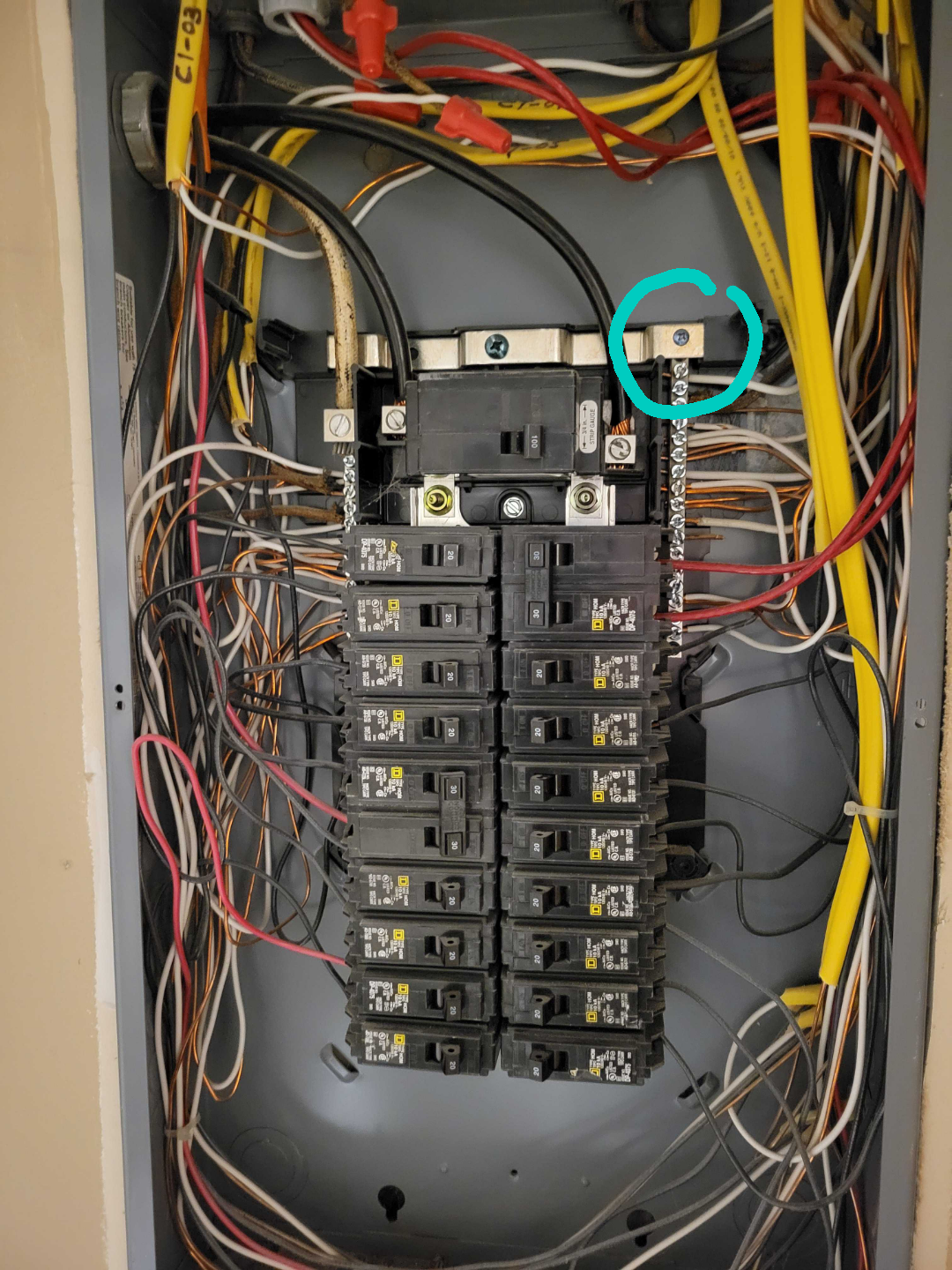
You’re standing in the basement of a home you’re considering buying , and your home inspector is examining the electrical panel. He points to a thick copper wire running from the panel to a metal rod driven into the ground and says, “Good—proper grounding.” Then he checks connections between metal pipes and the electrical system, nodding approvingly: “Bonding looks correct.”
If you’re like most home buyers, you’re nodding along while thinking, “What’s the difference? Why does this matter? Should I be concerned if something’s wrong?”
Electrical grounding and bonding are two of the most misunderstood aspects of home electrical systems, yet they’re among the most critical for your safety. Understanding what your inspector is checking—and why—helps you make informed decisions about the home you’re buying.
What Is Electrical Grounding?
Grounding provides a safe path for electrical current to flow into the earth if something goes wrong with your electrical system. It’s a safety mechanism protecting you from electrocution and preventing electrical fires.
How it works: Your home’s electrical system includes three wires:
- Hot wire (usually black): Carries electricity to outlets, lights, and appliances
- Neutral wire (usually white): Returns electricity back to the electrical panel
- Ground wire (usually bare copper or green): Provides emergency path to earth
Under normal conditions, electricity flows through hot and neutral wires in a controlled loop. The ground wire sits idle, waiting. But if something goes wrong—a damaged appliance, frayed wire, lightning strike, or short circuit—the ground wire gives electricity an easy path directly into the earth rather than through your body or starting a fire.
The grounding system includes:
- Ground wires running to every outlet, switch, and appliance
- A main grounding electrode conductor (thick copper wire) connecting your electrical panel to earth
- Grounding electrodes (metal rods driven 8+ feet into soil, or connections to metal water pipes)
- Proper connections throughout ensuring continuity
What grounding protects against:
- Electrocution from touching damaged appliances or faulty wiring
- Electrical fires from fault currents
- Equipment damage from power surges
- Lightning strike damage (by providing a controlled discharge path)
What Is Electrical Bonding?
Bonding connects all metal components in your home that could potentially become energized, ensuring they’re at the same electrical potential and providing a safe path for fault currents.
Think of bonding as creating an electrical safety net. If any metal object in your home accidentally becomes energized—a metal water pipe touching a frayed wire, for example—bonding ensures that electricity flows safely back to the electrical panel and trips the breaker rather than waiting for you to touch it and become the path to ground.
Common bonded components:
- Metal water pipes (both incoming supply and interior plumbing)
- Metal gas pipes
- Metal ductwork and HVAC systems
- Metal siding or roof materials (in some cases)
- Metal well casings
- Metal structural components
- All electrical equipment and panels
Why bonding matters: Without proper bonding, metal objects throughout your home could be at different electrical potentials. Touching two unbonded metal objects simultaneously—say, a metal faucet and a metal sink—could complete a circuit through your body if one is energized. Bonding prevents this by ensuring everything is electrically connected and will trip breakers if energized.
Grounding vs. Bonding: What’s the Difference?
This confuses almost everyone, including some electricians:
Grounding connects your electrical system to the earth.
Bonding connects metal objects to each other and to the electrical system.
The relationship: Bonding creates connections between metal objects. Grounding connects those bonded objects to earth. Together, they create a comprehensive safety system.
Simple analogy: Imagine your electrical system as a network of roads. Grounding is the main highway to safety (earth). Bonding ensures every side street connects to that highway so electricity always has a clear, safe route rather than taking dangerous shortcuts through your body.
What Your Inspector Checks: Grounding
During Winchester home inspections, I evaluate your grounding system thoroughly:
At the Electrical Panel:
Main grounding electrode conductor: The thick copper wire (usually #6 or larger) running from the panel to grounding electrodes. I check for:
- Proper size for your electrical service
- Secure connections at both ends
- No damage, corrosion, or breaks
- Proper routing and protection
Grounding electrode system: Where and how the grounding electrode conductor connects to earth:
- Ground rods: Two 8-foot copper-clad steel rods driven into soil at least 6 feet apart (most common in newer Winchester homes)
- Water pipe ground: Connection to metal underground water service pipe (common in older homes)
- Ufer ground: Connection to concrete-encased electrode in foundation (newer construction)
- Proper bonding jumpers if multiple electrodes exist
Panel grounding connections: All ground wires properly terminated on the grounding bus bar with secure connections.
At Outlets and Switches:
Three-prong outlets: Modern grounded outlets require ground wires. I test outlets to verify:
- Ground connection exists and is functional
- Outlets aren’t falsely grounded (fraud)
- No open grounds or reversed wiring
Outlet testing: Using specialized testers, I check every accessible outlet for proper grounding and wiring.
Throughout the Home:
Grounding electrode accessibility: Grounding connections should be accessible for inspection and maintenance, not buried behind finished walls.
Proper ground wire installation: Ground wires should be:
- Continuous (no breaks or splices except at approved junctions)
- Properly sized for circuit amperage
- Securely connected
- Protected from damage
What Your Inspector Checks: Bonding
Bonding evaluation focuses on connections between metal systems:
Water Pipe Bonding:
Main water service bonding: The incoming metal water pipe must be bonded to the electrical grounding system within 5 feet of where it enters the home. I check for:
- Proper bonding clamp on metal water pipe
- Correctly sized bonding jumper (usually #6 copper minimum)
- Secure connection to electrical panel grounding system
Interior water pipe bonding: If your water pipe transitions from metal to plastic (common in Winchester homes with updated plumbing), bonding jumpers must bridge the non-metallic sections to ensure continuity.
Water heater bonding: Bonding connections around water heaters with dielectric unions (which break electrical continuity).
Gas Pipe Bonding:
Natural gas or propane system bonding: Metal gas piping must be bonded to the grounding system. I verify:
- Proper bonding at the gas meter or entry point
- Correct bonding conductor size
- Compliant installation (gas bonding has specific requirements)
- CSST (corrugated stainless steel tubing) bonding if present—this is critical and often missing
Other Metal System Bonding:
HVAC system bonding: Metal ductwork and air handler units properly bonded.
Well casing bonding: If your Winchester-area home has a well, the metal casing should be bonded.
Structural metal bonding: Any significant structural metal potentially exposed to electrical contact.
Common Grounding and Bonding Issues in Winchester Homes
After hundreds of inspections throughout Frederick County and the tri-state area, these problems appear frequently:
Missing or Inadequate Ground Rods:
Older homes with water pipe ground only: Many Winchester homes built before the 1980s rely solely on metal water pipe for grounding. If that pipe is later replaced with plastic (PEX, CPVC), the home loses its ground entirely—a serious safety hazard.
Single ground rod: Current code requires two ground rods. Older installations with only one don’t meet modern standards.
Improperly driven rods: Ground rods must be driven at least 8 feet deep. Shallow rods or rods driven into gravel don’t provide adequate grounding.
Ungrounded Outlets:
Two-prong outlets: Older Winchester homes often have two-prong ungrounded outlets throughout. These don’t provide ground fault protection and can’t safely support modern three-prong appliances.
False grounds (bootleg grounds): Some homes have three-prong outlets installed without actual ground wires—a dangerous deception. Unscrupulous electricians sometimes connect ground and neutral together at the outlet (creating a “bootleg ground”) which appears to work but provides no actual safety.
Open grounds: Three-prong outlets present, but ground wires disconnected or broken somewhere in the circuit.
Missing Bonding:
Unbonded water pipes: The most common bonding defect. Metal water pipes lack bonding clamps connecting them to the grounding system.
Missing gas bonding: Gas pipes, especially CSST (flexible yellow gas lines), require bonding. This is frequently missing and creates significant lightning strike risk.
Discontinuous bonding: Bonding jumpers missing around water meters, water heaters with dielectric unions, or plastic pipe sections creating breaks in electrical continuity.
Corroded or Damaged Connections:
Deteriorated bonding clamps: Old bonding clamps on water pipes corrode and lose connection. I often find loose, broken, or completely corroded clamps providing no actual bonding.
Damaged grounding electrode conductor: The main ground wire from panel to ground rods damaged by landscaping, lawn equipment, or simply aging and deterioration.
Improper Installation:
Undersized conductors: Ground and bonding wires must be properly sized. Too-small wires can’t safely carry fault currents.
Incorrect terminations: Ground and bonding wires improperly connected, using wrong clamps or fasteners, or connected in code-violating ways.
Inaccessible connections: Grounding electrodes or bonding connections buried behind finished walls, preventing inspection or maintenance.
Why This Matters to Home Buyers
Grounding and bonding defects create serious safety risks:
Electrocution Hazard: Without proper grounding and bonding, faulty appliances or damaged wiring can electrify metal surfaces throughout your home. Touching an ungrounded appliance or unbonded metal pipe could kill you.
Fire Risk: Fault currents without proper grounding paths can arc and spark, igniting fires in walls, attics, or anywhere electrical wiring exists.
Equipment Damage: Power surges and lightning strikes cause far more damage to electronics and appliances in homes without proper grounding.
Insurance Implications: Some insurance companies require proper grounding. Homes with significant electrical defects may face higher premiums or coverage limitations.
Code Violations: Missing grounding or bonding violates electrical codes. While existing homes aren’t required to upgrade to current codes, significant defects may need correction for insurability or safety.
What to Do If Your Inspector Finds Issues
During Your Inspection Period:
Evaluate Severity: Not all grounding/bonding issues are equal. Work with your inspector and real estate agent to prioritize:
- Critical (address before closing): Missing grounds, unbonded gas lines (especially CSST), false/bootleg grounds, severely deteriorated systems
- Important (negotiate repairs): Single ground rod instead of two, missing water pipe bonding, corroded connections
- Minor (consider but not deal-breakers): Cosmetic issues, accessible upgrades that are easy DIY fixes
Request Professional Repairs: Electrical grounding and bonding work should be performed by licensed electricians. Request that sellers:
- Hire licensed electrician to evaluate and correct defects
- Provide documentation of repairs and code compliance
- Obtain necessary permits if required
Get Cost Estimates: If sellers won’t make repairs, obtain quotes from licensed electricians. Typical costs:
- Adding second ground rod: $200-$400
- Water pipe bonding: $150-$300
- Gas line bonding: $200-$500
- CSST bonding: $300-$600
- Replacing ungrounded outlets with GFCI protection: $100-$150 per outlet
- Major grounding system upgrades: $500-$2,000+
Consider Walking Away: Extensive electrical defects throughout a home—combined grounding, bonding, wiring, and panel issues—may indicate larger problems. If repair costs are extreme or suggest amateur electrical work throughout, reconsider the purchase.
Grounding Solutions for Older Homes
If you’re buying an older Winchester home with grounding issues, here are common solutions:
For Ungrounded Outlets:
Option 1—Install GFCI Protection: Replace ungrounded outlets with GFCI outlets and label them “No Equipment Ground.” GFCIs protect against electrocution even without grounds, though they don’t provide surge protection for electronics.
Option 2—Run Ground Wires: Have an electrician run ground wires from the panel to outlets. Expensive but provides true grounding.
Option 3—Replace Entire Circuit: In some cases, replacing old two-wire circuits with modern three-wire (grounded) circuits is most cost-effective long-term.
For Missing Ground Electrodes:
Add Ground Rods: Installing two properly driven ground rods and connecting them to the panel with appropriately sized grounding electrode conductor solves most grounding defects. Relatively affordable and straightforward for electricians.
For Missing Bonding:
Install Bonding Clamps and Jumpers: Adding proper bonding clamps to water pipes, gas lines, and other metal systems is usually straightforward and inexpensive. The challenge is ensuring continuity throughout the system.
What Proper Grounding and Bonding Looks Like
When you’re looking at homes, here’s what good grounding and bonding installations include:
At the Electrical Panel:
- Thick copper grounding electrode conductor clearly visible running from panel to ground
- Ground and neutral buses properly separated (in subpanels)
- All ground wires securely terminated
- No corrosion, damage, or loose connections
Outside Near the Panel:
- Ground rods visible (or evidence of their location)
- Grounding electrode conductor protected and secured
- No signs of damage from landscaping or lawn equipment
At the Water Meter/Entry:
- Bonding clamp on incoming metal water pipe
- Properly sized bonding conductor running to panel
- Bonding jumpers around water meter if needed
At Gas Meter/Entry:
- Bonding clamp on metal gas piping
- Proper bonding conductor
- CSST bonding if present
Throughout the Home:
- Three-prong grounded outlets (or properly labeled GFCI-protected two-prong outlets)
- No signs of amateur electrical work
- All accessible junctions properly enclosed and grounded
Questions to Ask Your Inspector
When reviewing your electrical inspection:
- “Are there any grounding or bonding defects?”
- “How serious are these issues?”
- “What should be prioritized?”
- “What’s a reasonable repair cost?”
- “Are there any immediate safety hazards?”
- “Does this suggest other electrical problems I should investigate?”
Good inspectors explain electrical findings in plain language and help you understand what matters versus what’s minor.
Bottom Line
Electrical grounding and bonding are invisible safety systems protecting you from electrocution and fire. Unlike cosmetic defects or minor maintenance items, electrical safety issues can kill.
When your Winchester home inspector evaluates grounding and bonding, pay attention. These aren’t nitpicky code technicalities—they’re fundamental safety systems that should be present and functional before you move your family into the home.
If defects are found, work with qualified electricians to correct them. The few hundred to few thousand dollars spent ensuring proper grounding and bonding is money well spent protecting your family and your investment.