
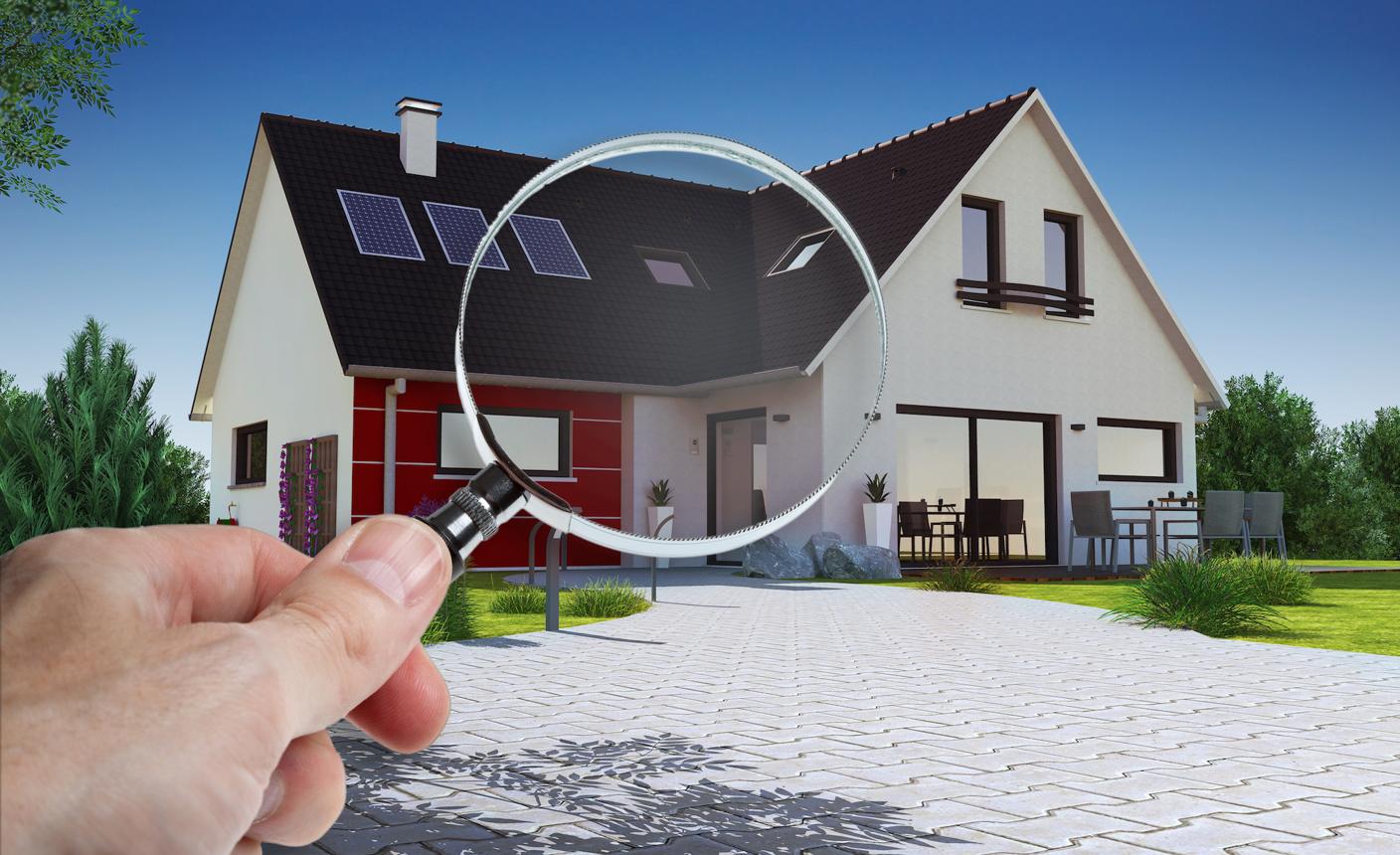
If you’re buying a home, you may know that you should have a home inspection—but you may not know exactly what a home inspector is looking for.
A professional home inspection is much more than walking through the house and pointing out obvious problems. A home inspector evaluates the condition of many of the home’s major systems and components, looking for safety concerns, defects, signs of damage, and conditions that may require repair or further evaluation.
While every inspection is different, here are some of the major areas a home inspector typically examines.
1. Roof and Attic
The roof is one of the most important components of a home because it protects the entire structure from the elements.
During an inspection, the inspector looks for visible conditions such as:
- Missing, damaged, or deteriorated shingles
- Improper flashing
- Signs of previous or active roof leaks
- Damaged roof penetrations
- Poor drainage
- Evidence of improper repairs
The attic is also an important part of the inspection. An inspector may evaluate insulation, ventilation, roof framing, moisture concerns, and signs of water intrusion.
A roof can look perfectly fine from the ground while still having problems that aren’t obvious to a buyer.
2. Foundation and Structure
Your home’s foundation supports the entire structure, making it an important area of any inspection.
Inspectors look for visible signs of structural concerns such as:
- Foundation cracks
- Settlement
- Bowed or displaced walls
- Deteriorated masonry
- Damaged structural components
- Improper supports
- Moisture intrusion
Not every crack means a house has a structural problem. Part of the inspector’s job is to identify conditions that may warrant further evaluation by a qualified specialist.
3. Plumbing System
Plumbing problems can be expensive and sometimes difficult to identify without a thorough inspection.
A home inspector typically evaluates accessible plumbing components, including:
- Supply piping
- Drain and waste piping
- Water heaters
- Shutoff valves
- Faucets and fixtures
- Drainage
- Visible leaks
- Water pressure and flow
The inspector may also identify older or problematic plumbing materials that could require additional evaluation or future replacement.
4. Electrical System
Electrical problems aren’t always visible to the average homebuyer, but they can present serious safety concerns.
An inspector evaluates accessible portions of the electrical system, including:
- Electrical panels
- Service equipment
- Wiring
- Receptacles
- Switches
- Grounding and bonding
- GFCI protection
- AFCI protection where applicable
- Visible signs of improper electrical work
The goal isn’t simply to determine whether the lights work. The inspection also looks for potentially hazardous conditions and installations that don’t appear to meet current safety standards.
5. Heating and Cooling Systems
Your HVAC system can be one of the most expensive systems in a home to replace.
During an inspection, the inspector evaluates the accessible components of the heating and cooling systems and looks for conditions such as:
- Improper installation
- Damaged equipment
- Poor maintenance
- Inadequate exhaust or venting
- Visible refrigerant concerns
- Ductwork problems
- Unusual operation
A home inspection is not the same as a full HVAC service or performance analysis, but it can identify conditions that may justify having the system evaluated by an HVAC professional.
6. Interior Areas
Inspectors don’t just focus on mechanical systems. The interior of the home is also evaluated.
This can include:
- Walls and ceilings
- Floors
- Windows
- Doors
- Stairways
- Handrails
- Guardrails
- Interior water damage
- Visible moisture concerns
- Smoke and carbon monoxide alarms
Inspectors are also looking for safety issues that a buyer may not notice during a typical showing.
7. Bathrooms and Kitchens
Kitchens and bathrooms contain multiple systems in a relatively small area, making them important inspection locations.
An inspector may evaluate:
- Plumbing fixtures
- Cabinets and countertops
- Exhaust fans
- GFCI protection
- Drainage
- Water leaks
- Flooring
- Shower and tub areas
- Toilets
- Appliances that are included within the scope of the inspection
These areas can also provide clues about previous water damage or improper modifications.
8. Basement and Crawl Space
The basement and crawl space can reveal some of the most important information about a home’s condition.
Inspectors look for:
- Moisture intrusion
- Water stains
- Foundation concerns
- Structural components
- Plumbing
- Electrical components
- Insulation
- Ventilation
- Wood-destroying insect damage or evidence
- Improper modifications
Crawl spaces can be especially important because problems involving moisture, drainage, structural supports, and plumbing may remain hidden from the living areas above.
9. Exterior of the Home
The outside of the house is just as important as the inside.
An inspector evaluates accessible exterior components such as:
- Siding
- Exterior doors
- Windows
- Decks and porches
- Steps and handrails
- Driveways and walkways
- Grading
- Drainage
- Gutters and downspouts
- Exterior electrical components
Water management is particularly important. Poor grading or improperly discharged downspouts can direct water toward the foundation and contribute to basement or crawl-space moisture problems.
10. Safety Concerns
One of the most valuable aspects of a home inspection is identifying conditions that could affect the safety of the occupants.
Depending on the home, an inspector may identify concerns involving:
- Electrical hazards
- Missing or improperly installed GFCI protection
- Stairway and railing safety
- Carbon monoxide concerns
- Smoke alarms
- Improper combustion venting
- Unsafe decks or balconies
- Trip hazards
- Improperly installed equipment
These issues may not necessarily prevent you from purchasing a home, but knowing about them allows you to make informed decisions.
What a Home Inspection Does NOT Do
It’s important to understand that a home inspection is not the same thing as a complete evaluation of every component in a home.
A typical home inspection is a visual, non-invasive inspection of readily accessible areas and components. Inspectors generally do not remove walls, dismantle equipment, move heavy furniture, or perform destructive testing.
There are also specialized inspections that may be recommended depending on the property, including:
- Radon testing
- Sewer scope inspections
- Mold assessments
- Termite or wood-destroying insect inspections
- Chimney inspections
- Septic inspections
- Well inspections
- Specialized structural evaluations
These services may require professionals with specialized equipment, training, or licensing.
Why a Home Inspection Is Worth It
A home inspection isn’t about finding every little imperfection in a house. No home is perfect, especially older homes.
The goal is to give you a better understanding of the home’s current condition, identify significant concerns, and help you make an informed decision before completing one of the largest purchases of your life.
An inspection can also help you understand which repairs may need immediate attention and which items can be addressed as part of normal home maintenance.
Most importantly, an inspection gives you information you can use.
Buying a Home? Get the Information You Need Before Closing.
At Trefoil Home Inspections, we provide professional home inspections designed to give buyers a clear understanding of the condition of the property they’re considering.
We proudly serve homeowners and homebuyers throughout Virginia, West Virginia, and Maryland, including the Winchester area and surrounding communities.
If you’re buying a home, don’t rely solely on what you can see during a showing. A professional home inspection can help uncover concerns that may otherwise go unnoticed.
Contact Trefoil Home Inspections today to schedule your inspection and make your next home purchase with confidence.