
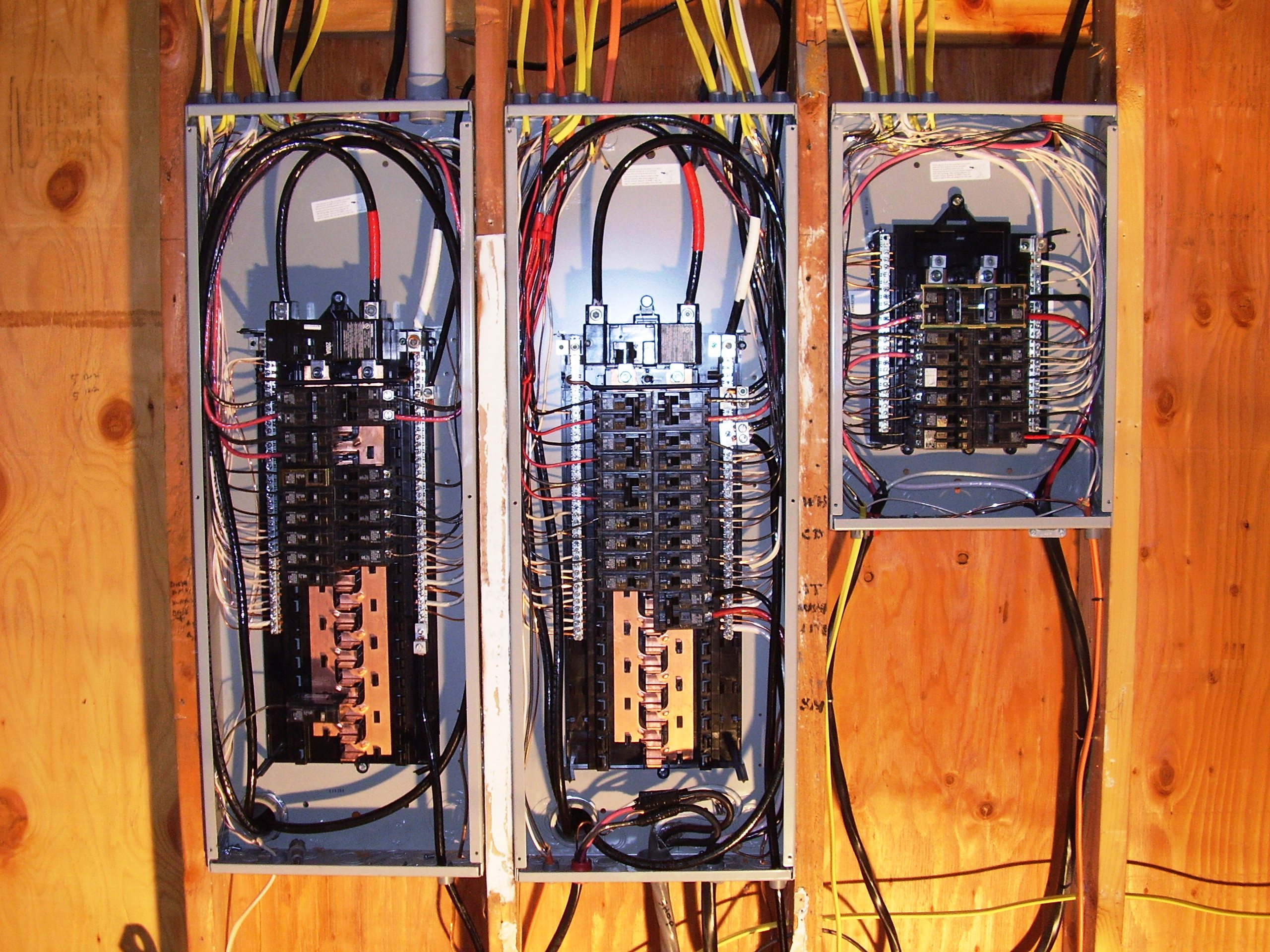
When buying a home, most people pay close attention to the roof, foundation, HVAC system, and plumbing. One area that is often overlooked, however, is the electrical panel.
The electrical panel is one of the most important components of a home’s electrical system. It distributes electricity throughout the house and contains the breakers designed to protect the home’s wiring from electrical overloads.
During a home inspection, the electrical panel is an important part of the inspection. While a home inspection is not a substitute for a licensed electrician’s evaluation, there are several conditions that can indicate a potential safety concern or the need for further evaluation.
Here are seven electrical panel problems homebuyers should watch for.
1. Federal Pacific Electrical Panels
Federal Pacific Electric (FPE) panels are commonly found in older homes. Some FPE panels and breakers have been associated with concerns regarding their ability to trip properly during an electrical overload.
If an inspector identifies a Federal Pacific panel, it does not necessarily mean the panel is immediately dangerous or must automatically be replaced. However, the condition and type of panel should be documented, and further evaluation by a qualified electrician may be recommended.
If you’re purchasing an older home, knowing what type of electrical panel is installed can be an important part of understanding the home’s electrical system.
2. Zinsco Electrical Panels
Zinsco electrical panels are another older panel type that may warrant additional attention.
Certain Zinsco panels and breakers have been associated with concerns involving overheating, damaged bus bars, and breakers that may not function as intended.
As with other older electrical equipment, the presence of a Zinsco panel does not automatically mean that a replacement is required. An inspector should identify the equipment and recommend further evaluation when appropriate.
3. Double-Tapped Breakers
A double-tapped breaker occurs when more than one conductor is connected to a breaker terminal that is designed to accept only one conductor.
This can create a poor connection and potentially lead to overheating.
There are breakers specifically designed to accept multiple conductors, so not every instance of two wires connected to one breaker is necessarily a defect. The breaker and installation need to be evaluated to determine whether the connection is appropriate.
This is one reason why simply looking inside an electrical panel isn’t enough. The equipment needs to be properly identified and evaluated.
4. Improper or Damaged Wiring
An electrical panel may also reveal signs of wiring problems.
During an inspection, an inspector may look for conditions such as:
- Damaged or deteriorated wiring
- Improperly terminated conductors
- Exposed wiring
- Loose connections
- Incorrectly sized wiring
- Signs of overheating
- Wiring that appears improperly installed
These conditions can increase the risk of electrical problems and may require evaluation or correction by a qualified electrician.
5. Missing Panel Covers or Openings
The electrical panel enclosure is designed to protect people from energized electrical components.
Missing covers, open knockouts, or other openings in the panel can create an unnecessary safety hazard.
A home inspector will look for accessible openings and other conditions that could allow someone to come into contact with energized components.
These issues can sometimes be relatively simple to correct, but they should not be ignored.
6. Overheating, Discoloration, or Signs of Damage
Signs of heat or electrical damage inside or around an electrical panel deserve attention.
An inspector may identify:
- Discolored breakers
- Melted or damaged components
- Scorch marks
- Burnt odors
- Discoloration around wiring or terminals
- Evidence of overheating
These conditions can indicate that a component has experienced excessive heat or an electrical problem.
When these signs are present, further evaluation by a qualified electrician is generally appropriate to determine the cause and whether repairs or replacement are necessary.
7. Older Electrical Panels
Not every older electrical panel is defective simply because of its age.
However, older electrical systems may have limitations compared with modern electrical systems, particularly if the home has undergone renovations or has had additional electrical loads added over the years.
For example, today’s homes may have significantly more electrical demand from appliances, HVAC equipment, electric vehicles, home offices, and other technology.
An older panel may still be functioning properly, but its overall condition, capacity, and compatibility with the home’s electrical system should be considered.
What Does a Home Inspector Look For?
During a home inspection, the inspector generally evaluates the visible and accessible portions of the electrical panel and electrical system.
This can include looking at:
- The panel and enclosure
- Breakers
- Visible wiring
- Connections that are accessible for inspection
- Signs of overheating or damage
- Grounding and bonding components when visible
- Panel labeling
- Obvious installation concerns
A home inspector is not typically removing breakers or performing destructive testing of electrical components.
If a condition is identified that exceeds the scope of a standard home inspection, the appropriate recommendation may be to have the system evaluated by a qualified licensed electrician.
Does an Electrical Panel Problem Mean You Should Walk Away From the House?
Not necessarily.
Finding an electrical issue during a home inspection doesn’t automatically mean you should walk away from a property.
Some issues may be relatively minor and straightforward to correct, while others may require significant repairs or replacement.
The important thing is understanding what was found, how significant it may be, and what it could cost to correct.
If an inspector identifies an older or potentially problematic panel, a licensed electrician can provide a more detailed evaluation and determine whether repair, replacement, or additional work is appropriate.
Why Electrical Panel Inspections Matter
Electrical problems aren’t always obvious to a homeowner. A panel can appear perfectly normal from the outside while still having underlying installation or equipment concerns.
That’s why the electrical system should be an important part of every home inspection.
Whether you’re buying an older home in Winchester, Virginia, Northern Virginia, Maryland, or West Virginia, understanding the condition of the electrical system can help you make a more informed decision about the property.
At Trefoil Home Inspections, we inspect the accessible electrical components of the home as part of the home inspection and document conditions that may require attention or further evaluation.
Buying a Home?
Don’t overlook the electrical panel.
An electrical panel may not be the most exciting part of a home, but it plays a critical role in keeping the home’s electrical system operating safely.
A professional home inspection can help identify visible concerns and give you a better understanding of the home’s overall condition before you make one of the biggest purchases of your life.
If you’re buying a home in Virginia, Maryland, or West Virginia, contact Trefoil Home Inspections to schedule your inspection.