
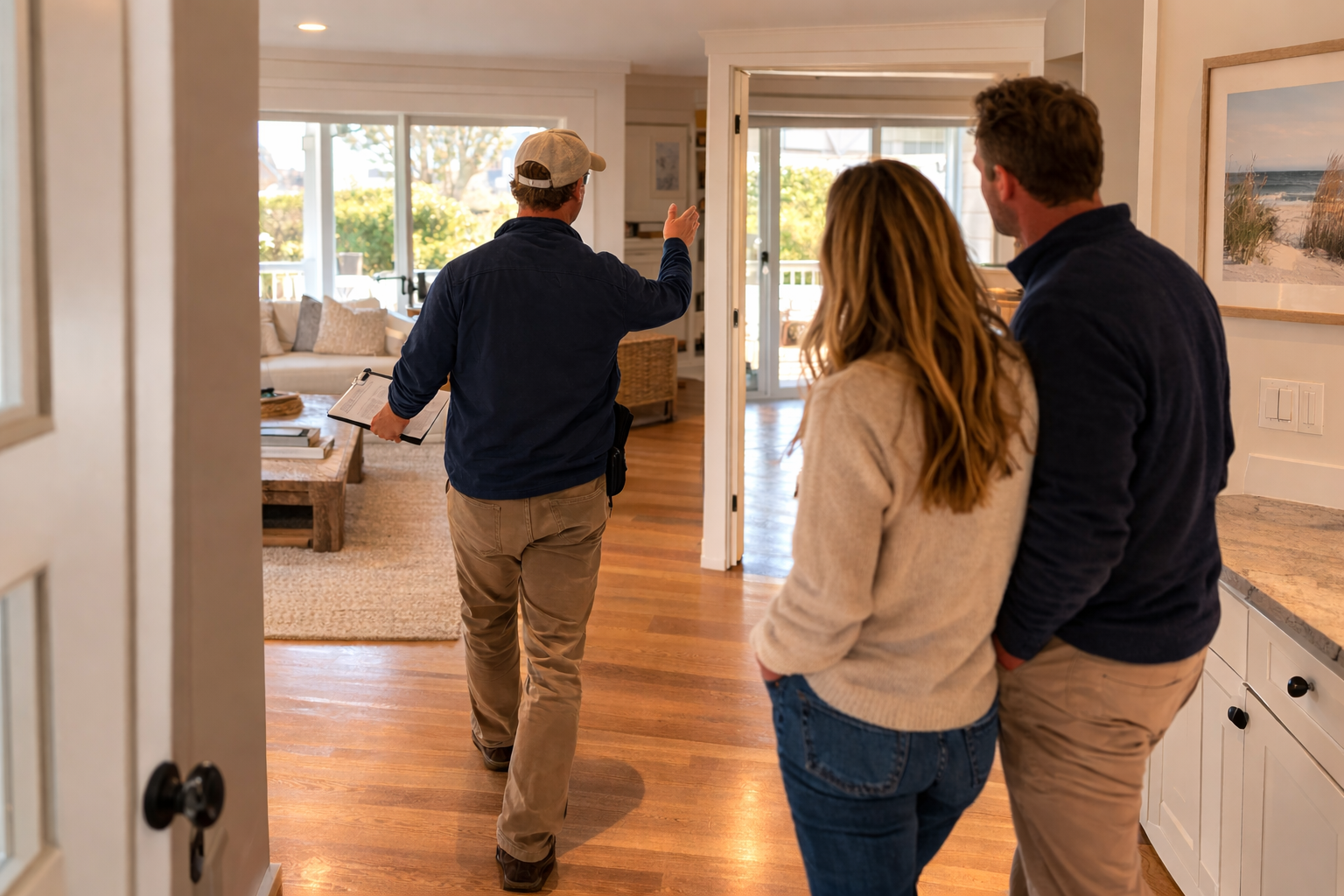
Not every property situation requires a full formal home inspection with a comprehensive 40-page report delivered the same day. Sometimes you just need an experienced inspector’s eyes on a property to answer specific questions, get a quick assessment, or make an informed decision without the full documentation process.
That’s where a “walk and talk” inspection comes in—an informal evaluation that gives you professional insight without the formality, time commitment, or cost of a traditional inspection.
What Is a Walk and Talk Inspection?
A walk and talk inspection is an informal property evaluation where a professional home inspector walks through the property with you, discusses observations verbally, points out concerns, and answers your questions on the spot. No written report is produced, no formal documentation is created, and no photographs are taken for delivery.
Think of it as getting expert consultation rather than formal inspection services. You’re paying for the inspector’s knowledge, experience, and trained eye—not for the paperwork.
When Walk and Talk Inspections Make Sense
Walk and talk inspections work well in specific situations where formal documentation isn’t necessary or practical:
Pre-Offer Property Evaluation: You’re interested in a Winchester property but haven’t made an offer yet. Before committing to a contract and formal inspection period, you want to know if there are obvious red flags that should stop you from proceeding. A quick walk-through helps you decide whether to make an offer at all.
Investment Property Quick Assessment: Real estate investors evaluating multiple properties need fast feedback on major systems and repair budgets. A walk and talk gives you ballpark renovation costs and identifies deal-breakers without paying for full inspections on properties you may not purchase.
Inherited or Estate Properties: You’ve inherited a Winchester home and need to understand its condition before deciding whether to sell, rent, or renovate. You don’t need formal documentation—just honest assessment of what you’re dealing with.
Pre-Listing Seller Consultation: You’re preparing to list your home and want professional feedback on what might come up during buyer inspections. You don’t need a formal report—just guidance on what to fix, what to disclose, and what to expect.
Renovation Planning: You own the property and are planning renovations. You need an expert to assess structural conditions, identify hidden issues before contractors start work, or provide second opinions on contractor proposals.
Second Opinion Situations: You received a buyer’s inspection report and want another inspector’s perspective on specific findings. Rather than paying for a complete second inspection, you want targeted feedback on particular concerns.
Auction or Foreclosure Properties: Properties sold “as-is” at auction often don’t allow formal inspections. A quick walk-through before auction day helps you assess risk and set your maximum bid.
Tenant Turnover Assessment: Landlords need to evaluate property condition between tenants to determine repair needs and security deposit deductions. A walk and talk provides professional perspective without formal documentation.
What Happens During a Walk and Talk
Here’s the typical process:
Scheduling: Walk and talk inspections are more flexible than formal inspections. They can often be scheduled with shorter notice and completed in 60-90 minutes rather than 3-4 hours.
The Walkthrough: The inspector tours the property with you, examining major systems and components:
- Roof condition from ground level or accessible areas
- Exterior siding, foundation, and grading
- Interior rooms, floors, walls, ceilings
- Electrical panel and visible wiring
- Plumbing fixtures and water heater
- HVAC systems
- Attic and crawl space (if accessible)
- Garage and outbuildings
Real-Time Discussion: As the inspector evaluates, they share observations verbally:
- “This roof is showing significant wear—I’d budget for replacement within 2-3 years”
- “The electrical panel is outdated but functional—not an immediate safety concern”
- “I’m seeing moisture indicators in the crawl space that should be investigated further”
- “The HVAC system is older but well-maintained—probably has a few years left”
Question and Answer: You ask questions as they arise:
- “How much would it cost to fix this?”
- “Is this something I should worry about?”
- “Would you walk away from this property?”
- “What should I prioritize if I buy this house?”
Verbal Summary: At the end, the inspector provides an overall assessment and answers any final questions. You might discuss estimated repair budgets, major concerns, and whether the property makes sense for your situation.
No Documentation: Nothing is written down or delivered. You’re responsible for taking your own notes, photos, or recordings if you want to remember specific points discussed.
What Walk and Talk Inspections DON’T Include
Understanding limitations is critical:
No Written Report: You receive no formal documentation. If you need something in writing for negotiations, lender requirements, or future reference, a walk and talk won’t suffice.
No Photographs: The inspector doesn’t document findings with photos. If you want visual records, bring your own camera and take pictures as you go.
No Liability Protection: Formal inspections include errors and omissions insurance protecting you if the inspector misses something significant. Walk and talks are consultative—you’re getting professional opinion, not guaranteed evaluation.
Limited Scope: Walk and talks are less thorough than formal inspections. Inspectors may not access every area, test every system, or spend as much time evaluating details. It’s a surface-level assessment, not exhaustive analysis.
No Negotiating Tool: Without written documentation, you can’t use walk and talk findings in real estate negotiations. Sellers won’t make concessions based on verbal observations from an informal inspection.
Not Transferable: The information provided is for your use only. You can’t share a non-existent report with lenders, contractors, or future buyers.
Advantages of Walk and Talk Inspections
Speed: Complete evaluations in 60-90 minutes rather than 3-4 hours. No waiting for reports—you get answers immediately.
Cost: Walk and talks cost significantly less than formal inspections—typically $150-$300 versus $400-$600 for full inspections in the Winchester area.
Flexibility: Easier to schedule, less disruptive, and can focus on specific areas of concern rather than comprehensive evaluation.
Direct Communication: Face-to-face discussion allows for clarifying questions, deeper explanations, and real-time decision-making that written reports don’t provide.
Decision-Making Tool: Perfect for yes/no decisions: “Should I make an offer?” “Should I proceed with this investment?” “Is this worth renovating?”
Walk and Talk in Shenendoah’s Real Estate Market
In Winchester and surrounding areas near Shenandoah Valley, walk and talk inspections serve specific niches:
Historic Property Evaluations: Old Town Winchester properties often need quick assessment of age-appropriate issues before buyers commit. A walk and talk helps distinguish normal historic home characteristics from serious problems.
Investment Property Circuit: Real estate investors working through multiple properties in Stephens City, Middletown, or surrounding areas use walk and talks to quickly assess flip potential without paying for formal inspections on every property.
Rural Properties: Homes in Frederick County with wells, septic systems, and outbuildings benefit from preliminary walk and talks before buyers commit to expensive specialized testing.
Pre-Listing Seller Preparation: Winchester sellers preparing for spring market use walk and talks to identify items needing attention before formal buyer inspections reveal them.
When You Should Get a Formal Inspection Instead
Walk and talks aren’t appropriate for every situation. Get a formal inspection with written report when:
You’re Under Contract: Real estate contracts require formal documentation for inspection contingencies. Verbal observations don’t satisfy contractual requirements.
Lender Requirements: Most mortgage lenders require written inspection reports. Walk and talks won’t meet lending documentation standards.
You Need Negotiating Leverage: Sellers respond to written documentation, not verbal claims about property conditions.
You Want Legal Protection: Formal inspections include professional liability insurance. If something major is missed, you have recourse.
The Property Has Significant Concerns: Complex issues requiring detailed documentation, contractor estimates, and careful evaluation need formal inspection processes.
You’re a First-Time Buyer: First-time homebuyers benefit from comprehensive written reports they can reference throughout homeownership. Don’t skip formal inspections to save money.
Combining Walk and Talk with Formal Inspections
Smart buyers sometimes use both:
Strategy 1: Pre-Offer Walk and Talk + Post-Contract Formal Inspection Before making an offer, do a walk and talk to identify deal-breakers. If the property passes initial scrutiny, make an offer contingent on formal inspection. This two-step approach prevents wasting time and money on properties with obvious major issues.
Strategy 2: Formal Inspection + Follow-Up Walk and Talk After receiving a formal inspection report, schedule a walk and talk with a second inspector for targeted second opinion on specific concerns without paying for a complete second inspection.
Making the Most of Your Walk and Talk
Come Prepared:
- Bring a notebook and camera
- Prepare specific questions in advance
- Know what you’re most concerned about
- Have property disclosure forms available for reference
Take Detailed Notes: Since there’s no report, your notes are your only record. Write down:
- Specific concerns identified
- Inspector’s estimated repair costs
- Priorities and urgency levels
- Systems requiring further specialist evaluation
Ask Direct Questions:
- “Would you buy this house?”
- “What’s the worst thing you’ve seen here?”
- “What would you fix first?”
- “Am I looking at $5,000 or $50,000 in repairs?”
Follow Up on Concerns: If the walk and talk reveals issues requiring specialist evaluation (structural engineer, HVAC contractor, roofer), schedule those follow-ups promptly.
Pricing and Scheduling
Walk and talk inspections typically cost $150-$300 in the Winchester area depending on:
- Property size
- Property location
- Complexity of systems
- Specific areas of focus
- Inspector’s availability
Schedule directly with inspectors rather than going through real estate agents. Explain clearly that you want an informal walk and talk without written report so expectations are clear upfront.
Bottom Line
Walk and talk inspections serve a valuable niche in Winchester’s real estate market. They provide professional insight without the time, cost, and formality of comprehensive inspections. Used appropriately, they’re powerful decision-making tools that help buyers, sellers, and investors make informed choices quickly.
But they’re not substitutes for formal inspections in traditional purchase situations. Know when informal consultation is sufficient and when you need complete documentation. The right tool for the right job makes all the difference.