
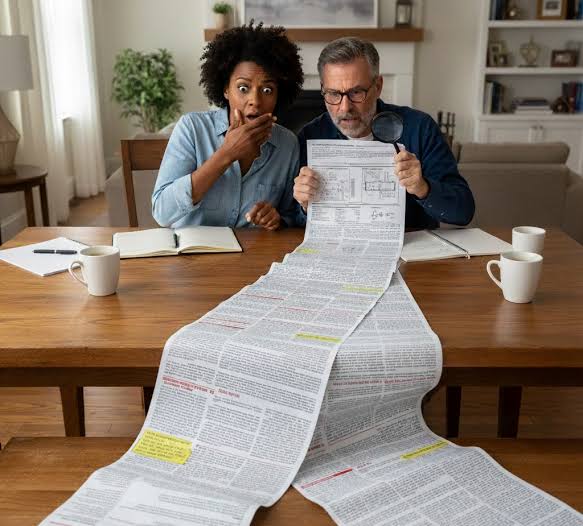
Buying a home is one of the largest financial decisions most people will make. When you find the right home, especially in a competitive real estate market, it can be tempting to do whatever it takes to make your offer stand out.
One strategy some buyers consider is waiving the home inspection.
You may hear that waiving an inspection can make your offer more attractive to a seller. While that may be true in some situations, it also means giving up an important opportunity to learn about the condition of the home before you become responsible for it.
At Trefoil Home Inspections, we believe a home inspection isn’t about finding a perfect house. No house is perfect. It’s about understanding what you’re buying so you can make an informed decision.
Why Do Buyers Waive Home Inspections?
There are several reasons a buyer might consider waiving an inspection.
In a competitive market, buyers may feel pressure to make their offer as strong as possible. A buyer may worry that requesting an inspection contingency will make their offer less attractive compared with another buyer’s offer.
Sometimes a buyer may also think the home looks well-maintained, is newer construction, or has recently been renovated, so an inspection may not seem necessary.
But there is an important distinction:
A house can look great and still have problems that aren’t obvious during a showing.
A real estate showing is designed to help you decide whether you like the home. A professional home inspection is designed to help you understand the condition of the home.
Those are two very different things.
What Can a Home Inspection Find?
A home inspection provides an opportunity to evaluate many of the home’s major accessible components and systems.
That can include:
- Roofing and visible roof components
- Foundation and structural components
- Grading and drainage
- Exterior siding, trim, windows, and doors
- Electrical systems
- Plumbing systems
- Water heaters
- Heating and cooling systems
- Attic areas and insulation
- Crawl spaces and basements
- Interior walls, ceilings, and floors
- Fireplaces and chimneys where accessible
- Built-in appliances
- Safety concerns and maintenance items
Some problems are obvious. Others are not.
A roof may appear to be in good condition from the ground but have damaged flashing or areas of deterioration. An electrical system may appear functional while still having safety concerns. A basement may look dry on the day of the showing while there are signs of previous moisture intrusion.
These are the types of things that can be difficult for a buyer to recognize without a trained eye.
The Most Expensive Problems Are Often the Ones You Can’t See
One of the biggest reasons not to waive a home inspection is that some of the most significant problems aren’t immediately visible.
Consider the possibility of discovering after closing that the home has:
- A roof nearing the end of its service life
- Significant water intrusion
- Structural concerns
- Electrical defects
- Plumbing problems
- An aging HVAC system
- Drainage issues
- Moisture problems in a crawl space or basement
- Improper modifications or repairs
- Safety hazards
- Deferred maintenance that has been accumulating for years
None of these automatically means you shouldn’t buy the house.
That’s an important point.
The purpose of an inspection isn’t to tell you whether you should buy a house. It’s to give you information so you can make that decision for yourself.
Knowing about a problem before closing gives you an opportunity to understand it, investigate it further, budget for it, or discuss it with your real estate professional.
Discovering the same problem after closing is a very different situation.
A Home Inspection Isn’t About Expecting a Perfect House
Some buyers avoid inspections because they’re worried the inspector will find a long list of problems.
The reality is that virtually every home has something that needs attention.
Homes age. Materials deteriorate. Systems require maintenance. Repairs aren’t always performed perfectly. Even newer homes can have installation issues or items that need correction.
A good inspection report shouldn’t simply give you a giant list of things to worry about.
It should help you understand what matters, what should be addressed, and what can simply be monitored or maintained.
At Trefoil Home Inspections, we believe in explaining the difference.
During the inspection, we take the time to walk through the home with our clients, point out what we’re seeing, explain how systems operate, and answer questions along the way. Our goal is to educate—not overwhelm.
What About New Construction?
One of the most common misconceptions is that a new home doesn’t need a home inspection.
New construction can certainly benefit from an inspection.
A new home has new materials and systems, but that doesn’t guarantee that everything was installed correctly or that nothing was overlooked during construction.
There can be issues involving:
- Grading and drainage
- Roofing
- Flashing
- Windows and doors
- Electrical installations
- Plumbing
- HVAC installation
- Insulation
- Ventilation
- Finish work
- Safety features
A professional inspection provides another set of trained eyes before you take ownership.
For new construction, buyers may also consider specialized inspections such as a pre-drywall inspection, which allows certain components to be evaluated before they are covered by finished walls.
What If You Still Want to Waive the Inspection?
Every buyer’s circumstances are different, and the decision regarding inspection contingencies is ultimately between you and your real estate professional.
If you are considering waiving an inspection contingency, it’s important to understand exactly what that means under the terms of your contract.
There may also be alternatives worth discussing with your agent depending on your situation and the contract being used.
For example, some buyers may choose to have an inspection while limiting or modifying certain contractual provisions. Others may choose to have an inspection for informational purposes.
The important thing is to understand the difference between waiving an inspection and having an inspection without necessarily making the inspection a reason to terminate the purchase.
Your real estate agent can explain the contractual implications and options available to you.
An Inspection Can Give You More Than a Report
At Trefoil Home Inspections, we believe the value of an inspection goes beyond the final report.
We encourage our clients to participate in the inspection and ask questions.
If we see an issue, we’ll show you what we’re seeing when possible. If we’re looking at a mechanical system, we’ll explain what it does and how it works. If we identify a maintenance item, we’ll explain why it matters and what you should keep an eye on.
Our detailed reports provide photographs and explanations so you have something to refer back to after the inspection.
And our relationship doesn’t necessarily end when the inspection is complete.
After purchasing a home, homeowners often have questions about something they noticed or something discussed during the inspection. We remain available to our clients when they need clarification or have questions about their home.
Your Home Is a Major Investment. Know What You’re Buying.
Buying a home should be exciting.
The purpose of a home inspection isn’t to take away that excitement or make you afraid of the house you’re buying. It’s to replace uncertainty with information.
You may discover that the home has very few significant concerns. You may discover several items that need attention. You may discover something that requires further evaluation by a qualified specialist.
Whatever the outcome, having that information before closing allows you to make decisions with a better understanding of the property.
Waiving a home inspection may make an offer more competitive in certain situations, but it also means giving up an important opportunity to learn about the home before you own it.
Before making that decision, understand what you’re giving up and discuss your options with your real estate professional.
At Trefoil Home Inspections, our goal is simple: help you get to know your home.
We provide thorough, detailed, and interactive home inspections throughout Virginia, Maryland, and West Virginia, including Winchester, Stephens City, Front Royal, Leesburg, Hagerstown, Frederick, Charles Town, Harpers Ferry, Jefferson County, Berkeley County, and surrounding areas.
You’re not just buying an inspection.
You’re buying peace of mind.
Contact Trefoil Home Inspections today to schedule your home inspection.